A Hundred Years of a Dream
Exhibition Web Guide

ATATURK’S MAGNIFICENT PAINTING: THE DIMENSIONS OF THE CULTURAL REVOLUTION
“A nation that would have to live without art, that would mean that one of its vital life veins is torn apart.”
“I like the athlete who is at the same time intelligent, agile, and morally ethical.”
- Mustafa Kemal Atatürk
The Republic of Türkiye was founded with an artist’s approach in which the ultimate independence war hero, Mustafa Kemal, placed the cultural revolution at its heart. Mustafa Kemal, who took the surname with the great love of our people, Atatürk (Father of the Turks) in 1934, dreamed not only about the independence of the modern country during the most difficult days of the war but also wanted it to spring out its philosophy, structure its lifestyle, build a culture by planting seeds for different branches of art, construct a culture that integrates with the modern world in universal peace – all realized within the framework of a new constitutional parliamentary state structure.
After the War of Independence, when financial conditions were at their lowest, he put forward his everything he has and even what he didn’t have for the development of opera, theatre, fine arts, cinema and literature. Atatürk's efforts led to a remarkable transformation. He mobilized for the development of opera, theater, fine arts, cinema, and literature, ensuring that the public lived in harmony with art and advocating for women’s rights to vote and be elected. Türkiye emerged as a fresh, dynamic, and revolutionary Republic from the ruins of a collapsing empire. In the young Republic of Türkiye, women's right to vote and be elected came into effect earlier than in many western countries.
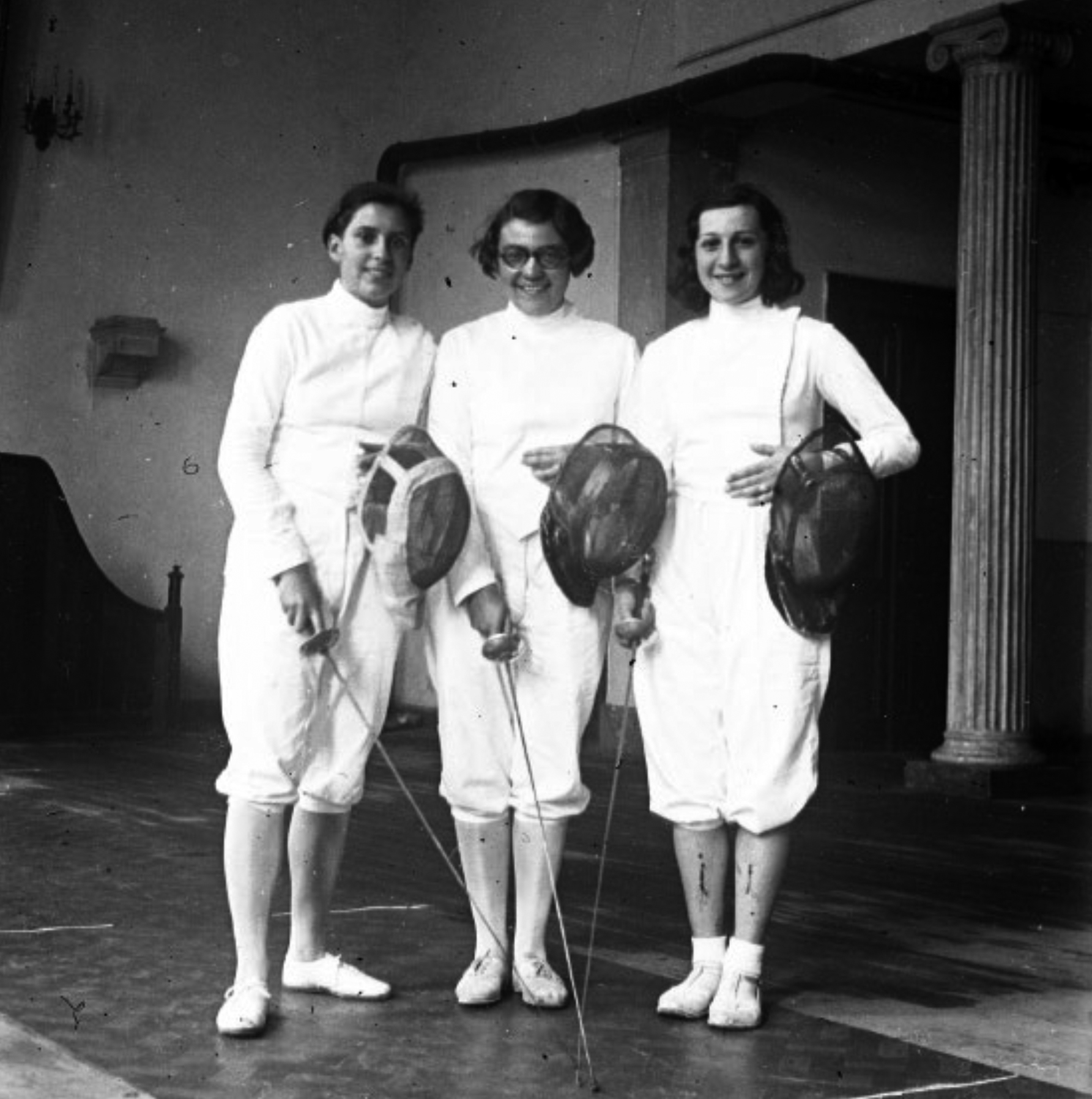
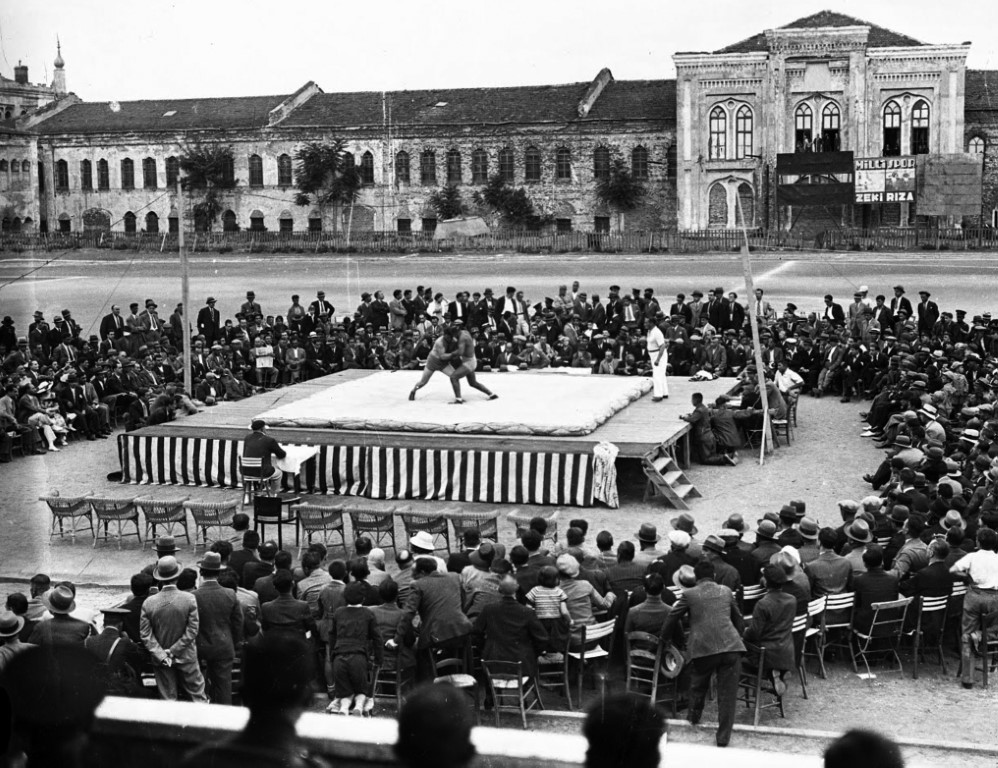
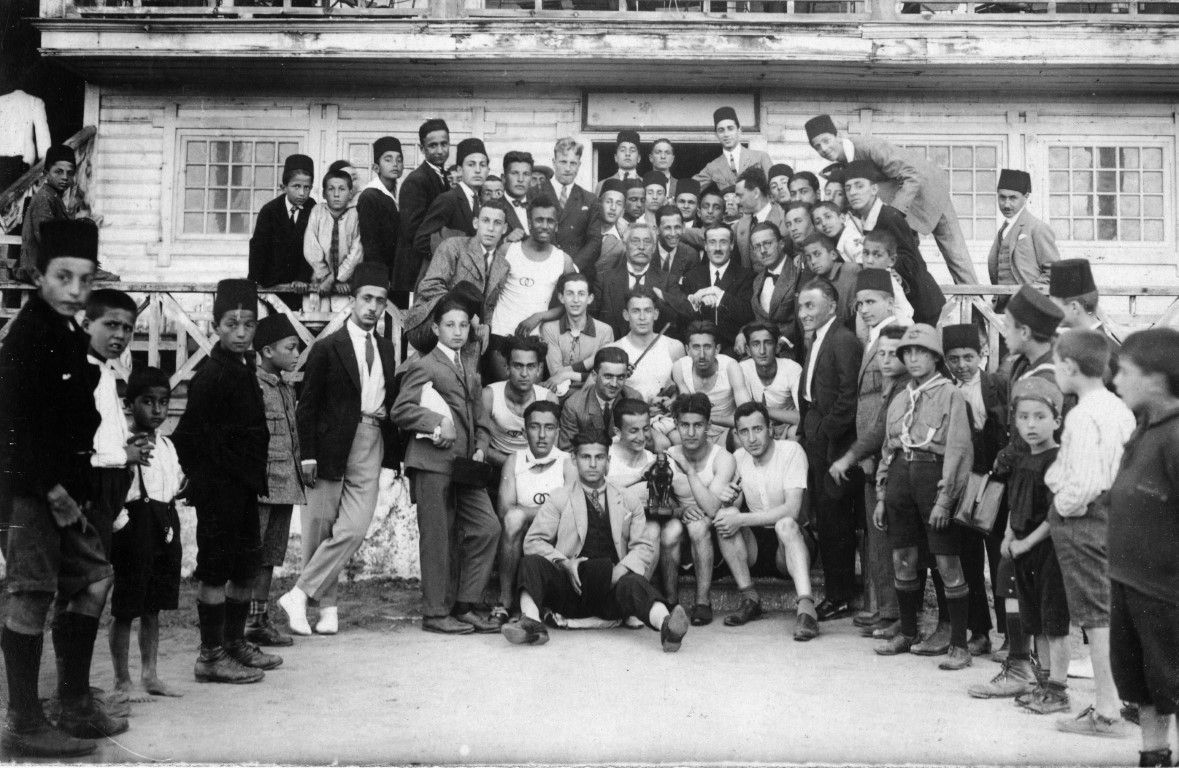
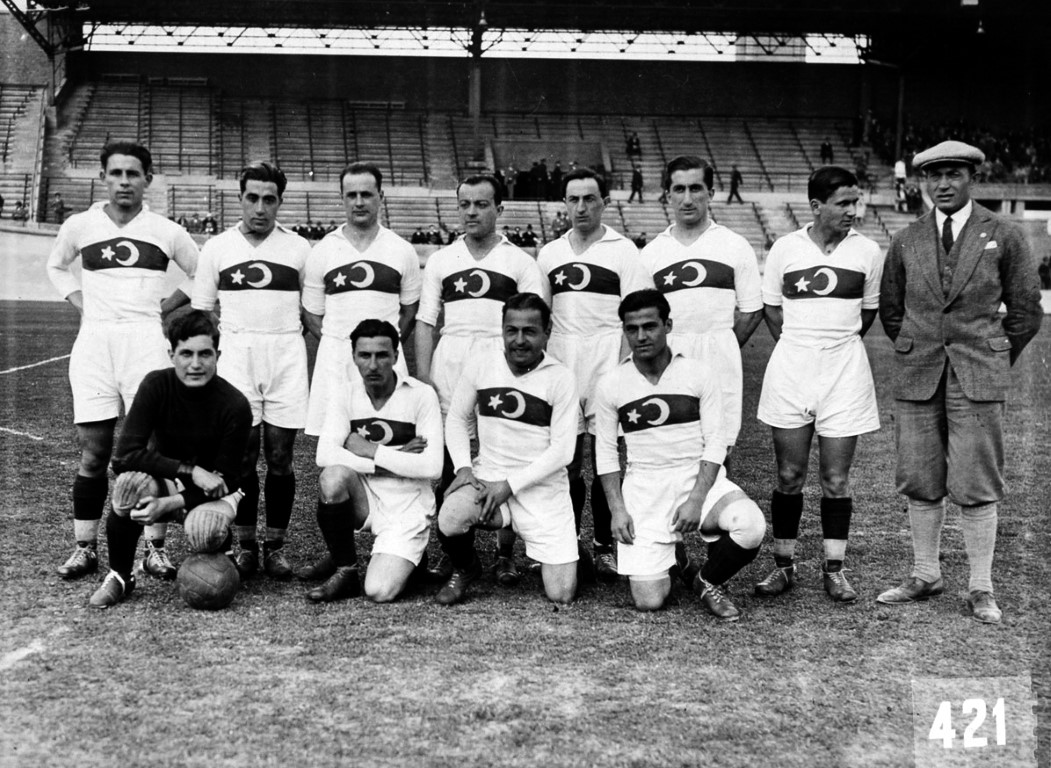
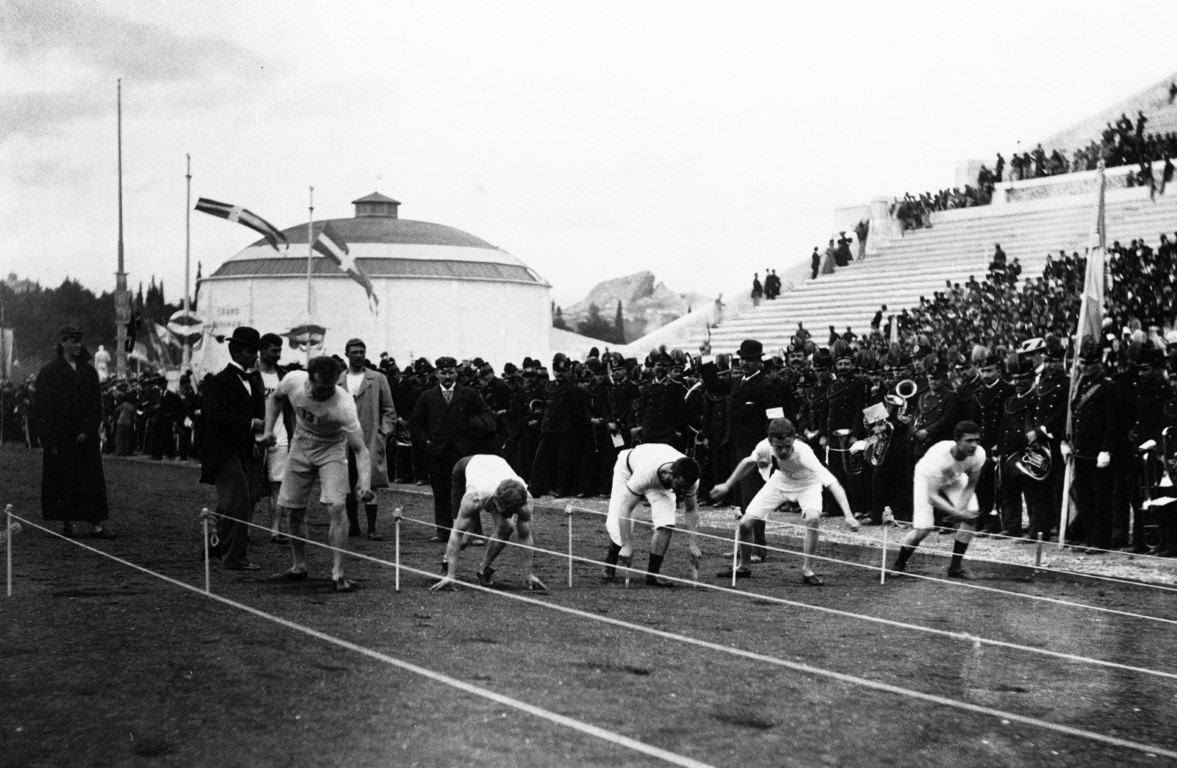
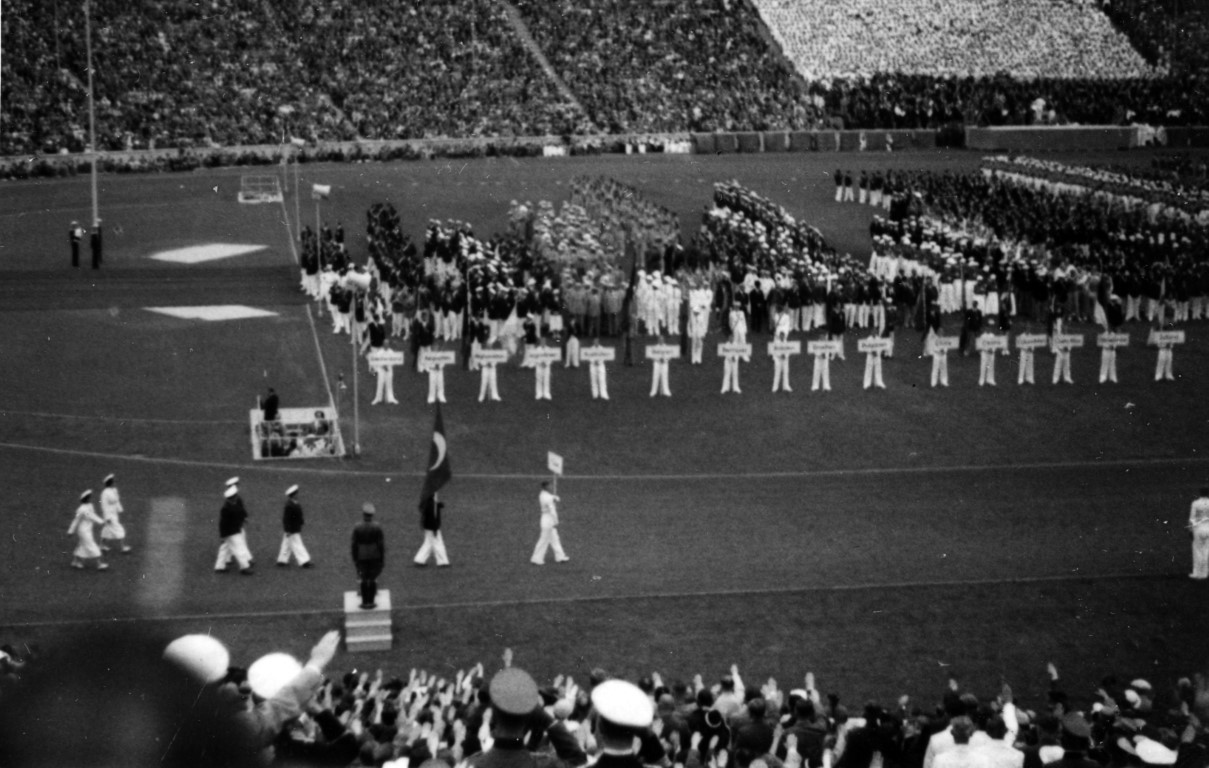
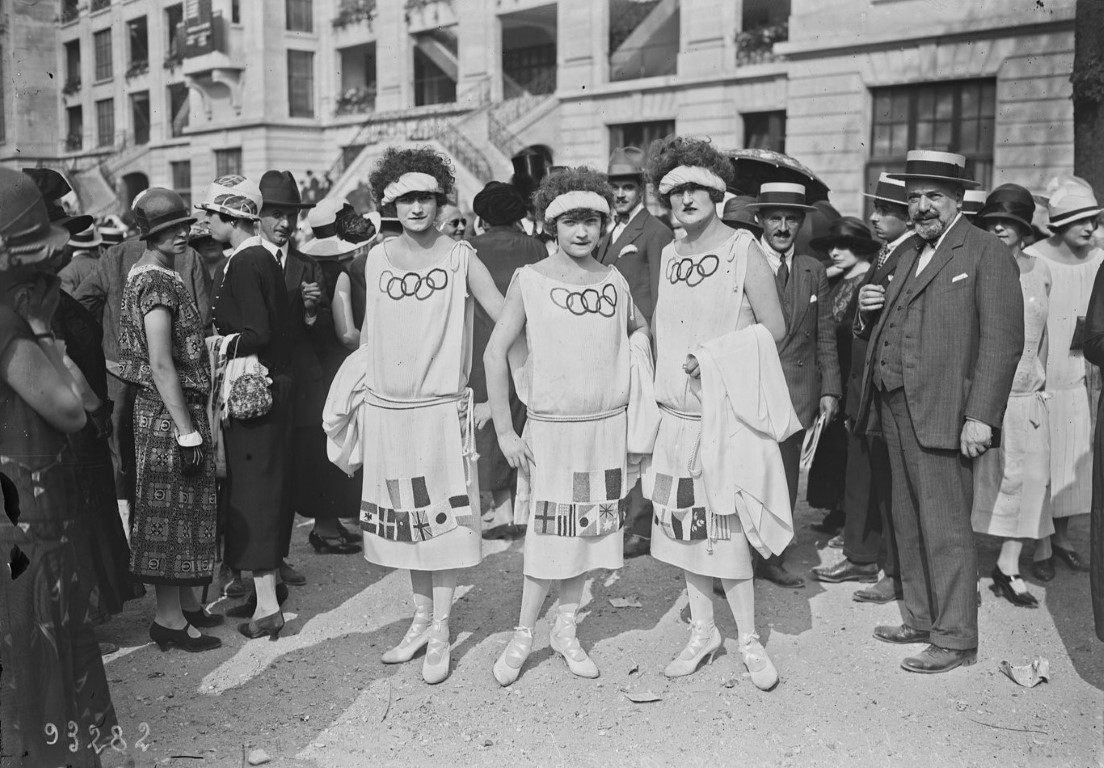
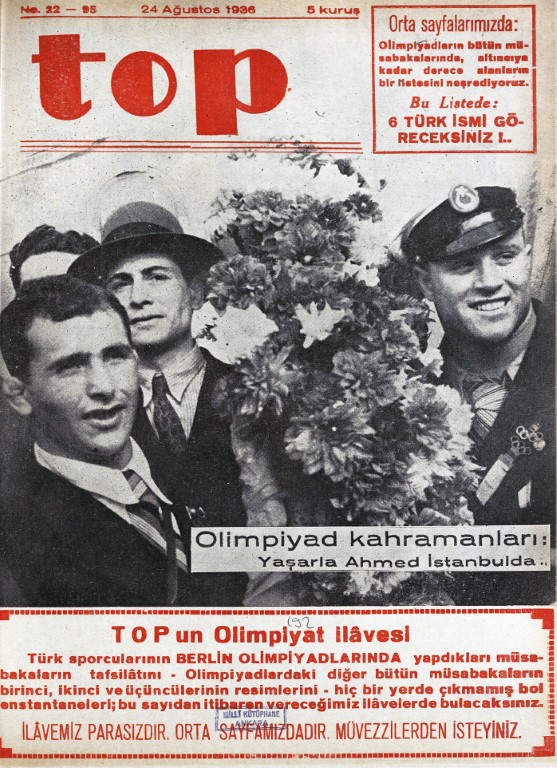
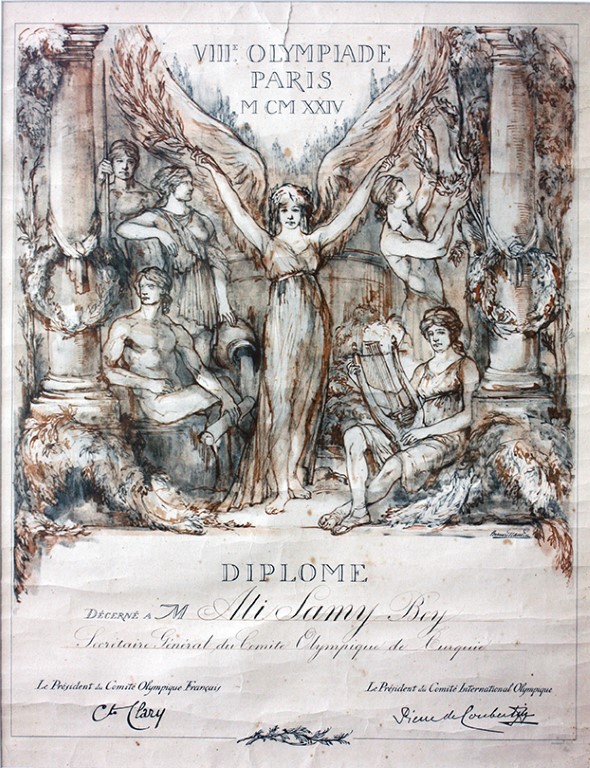
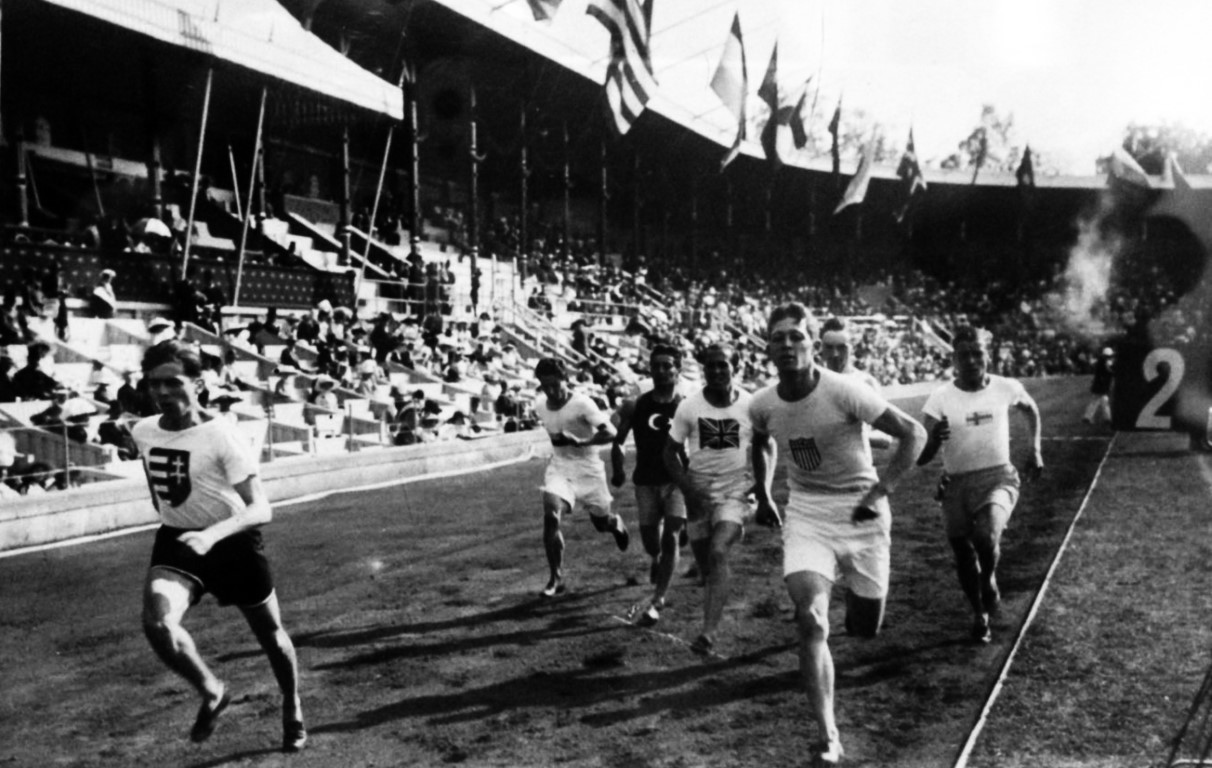
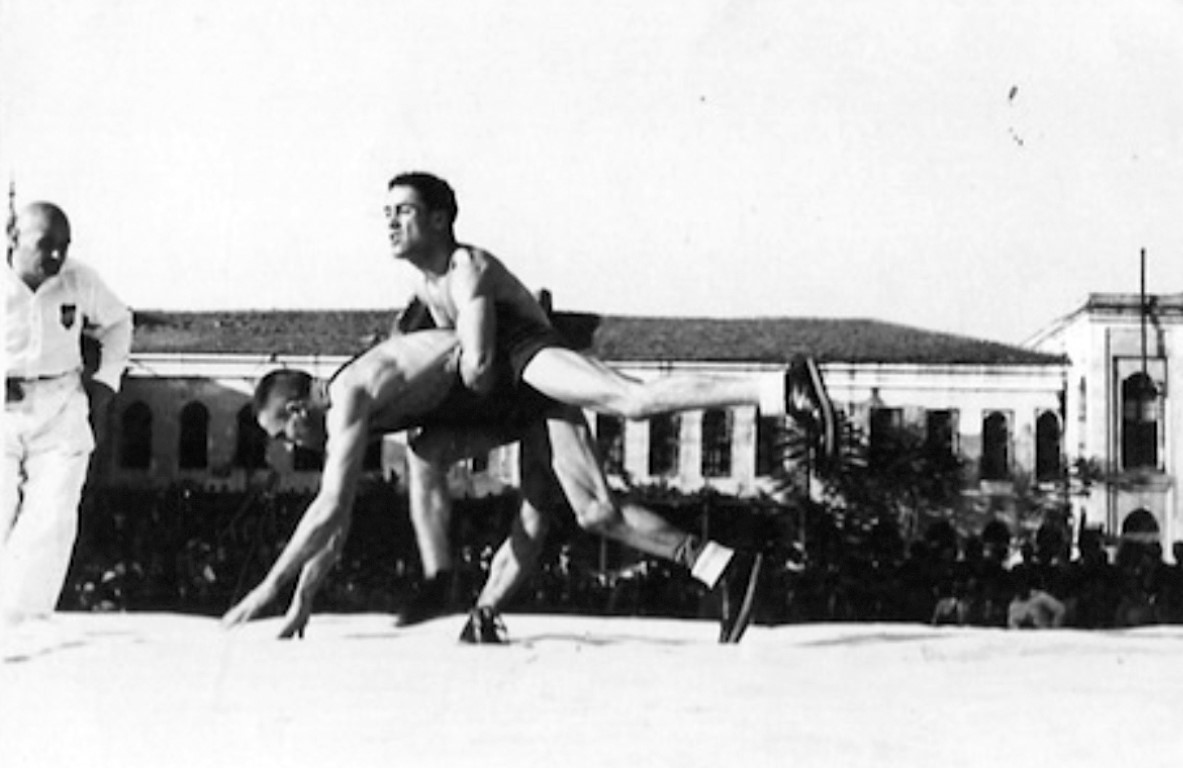
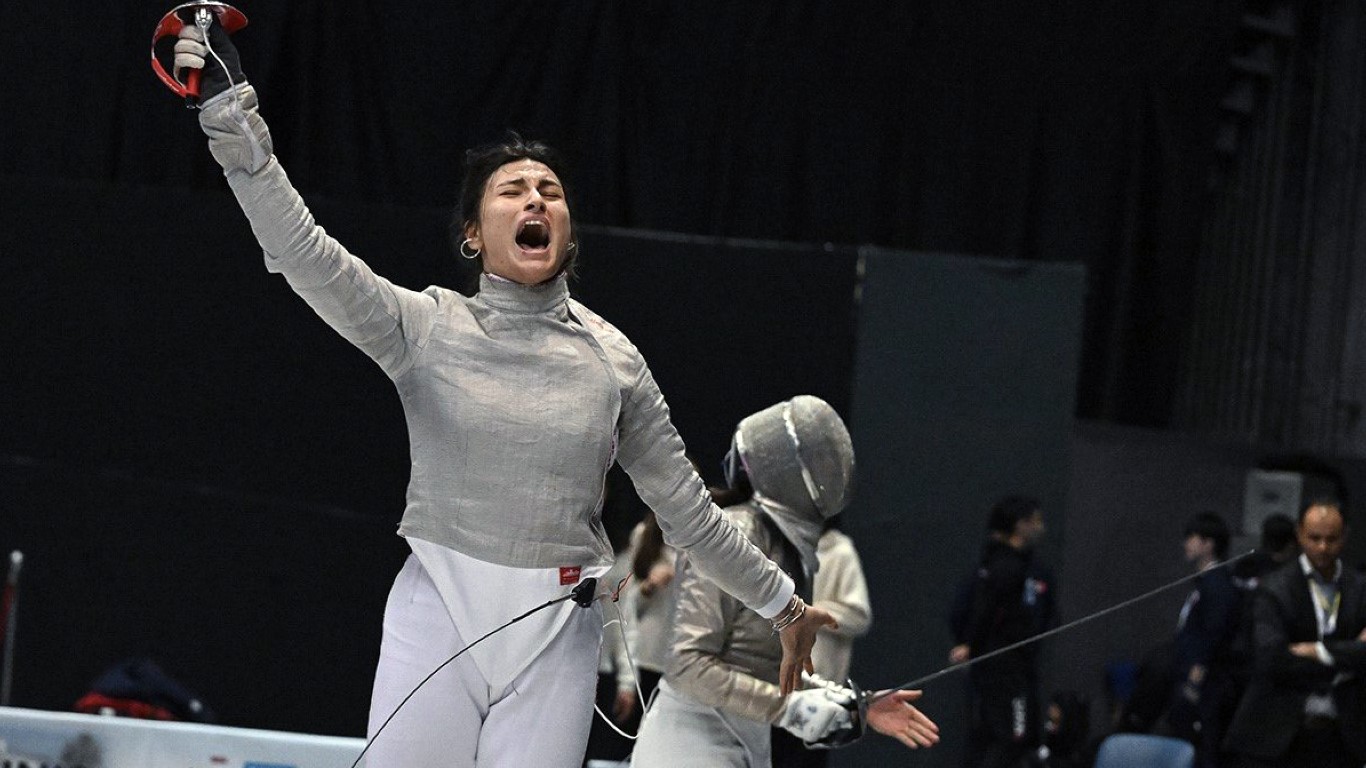
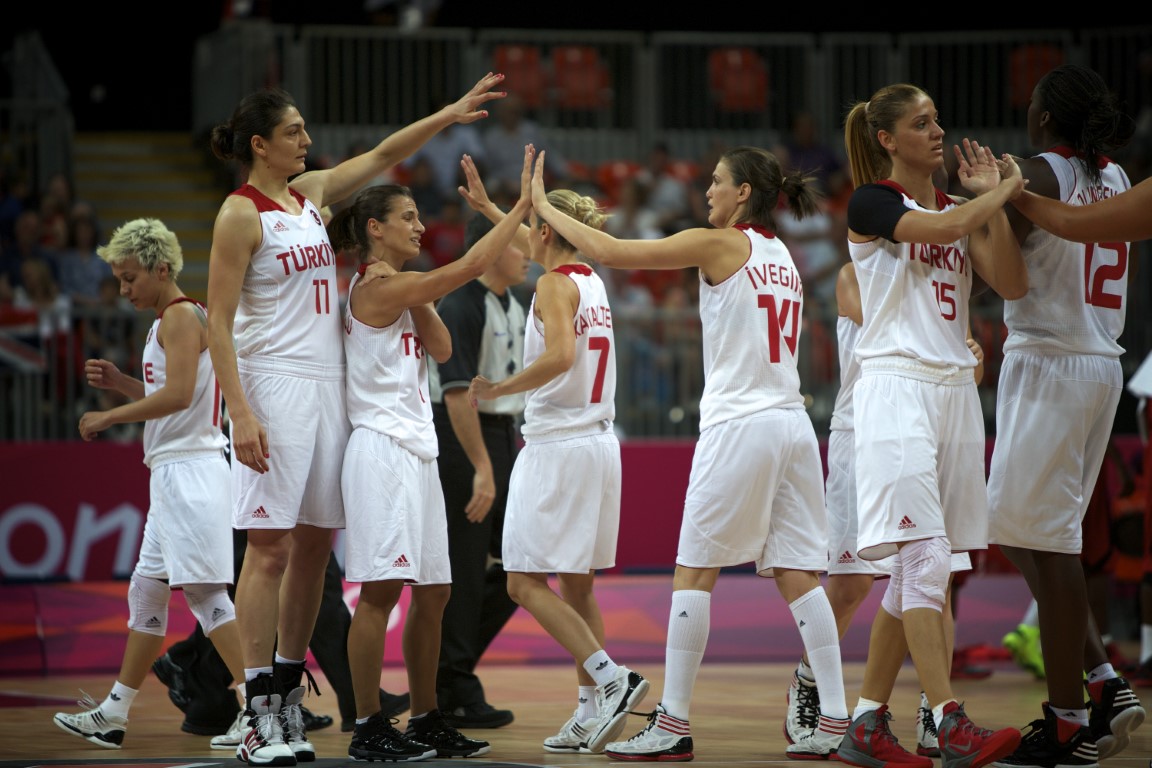
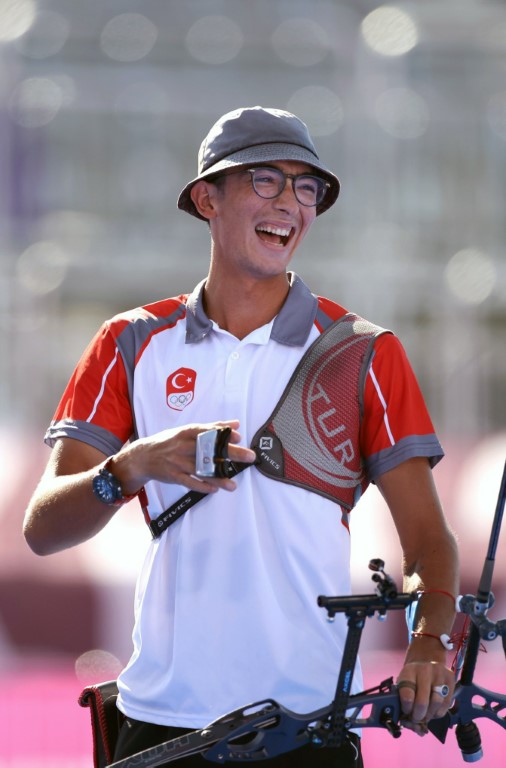
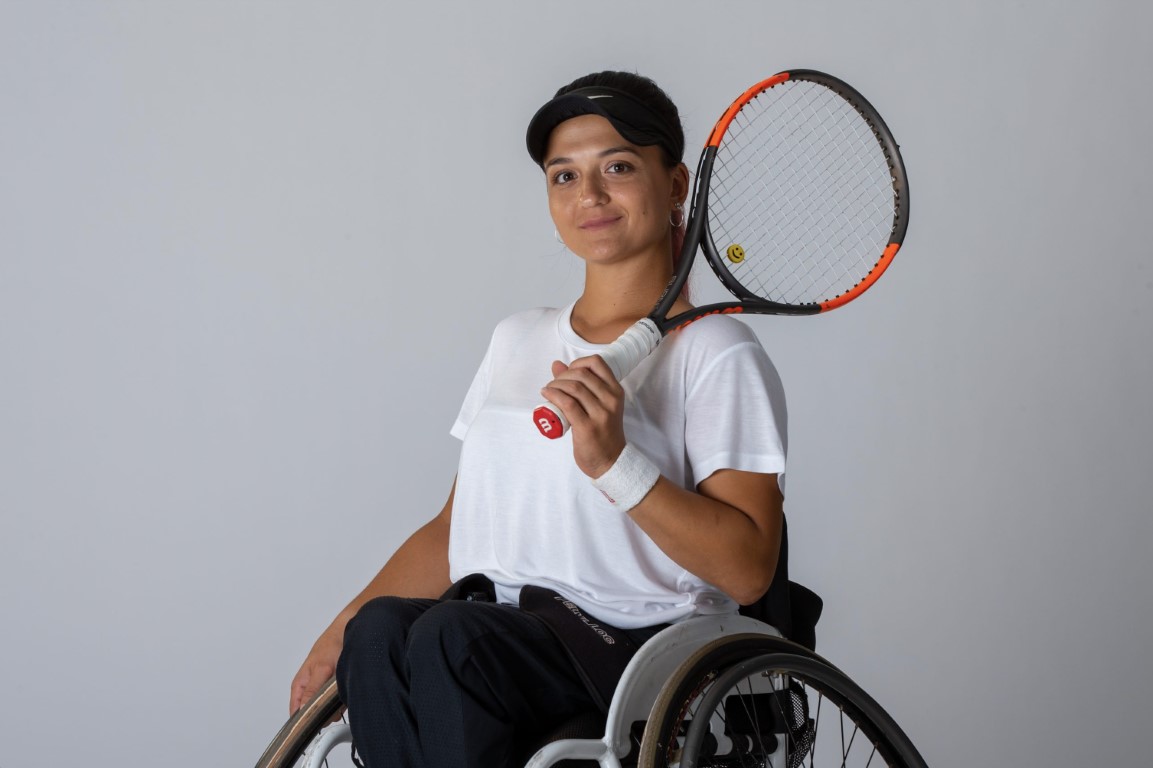
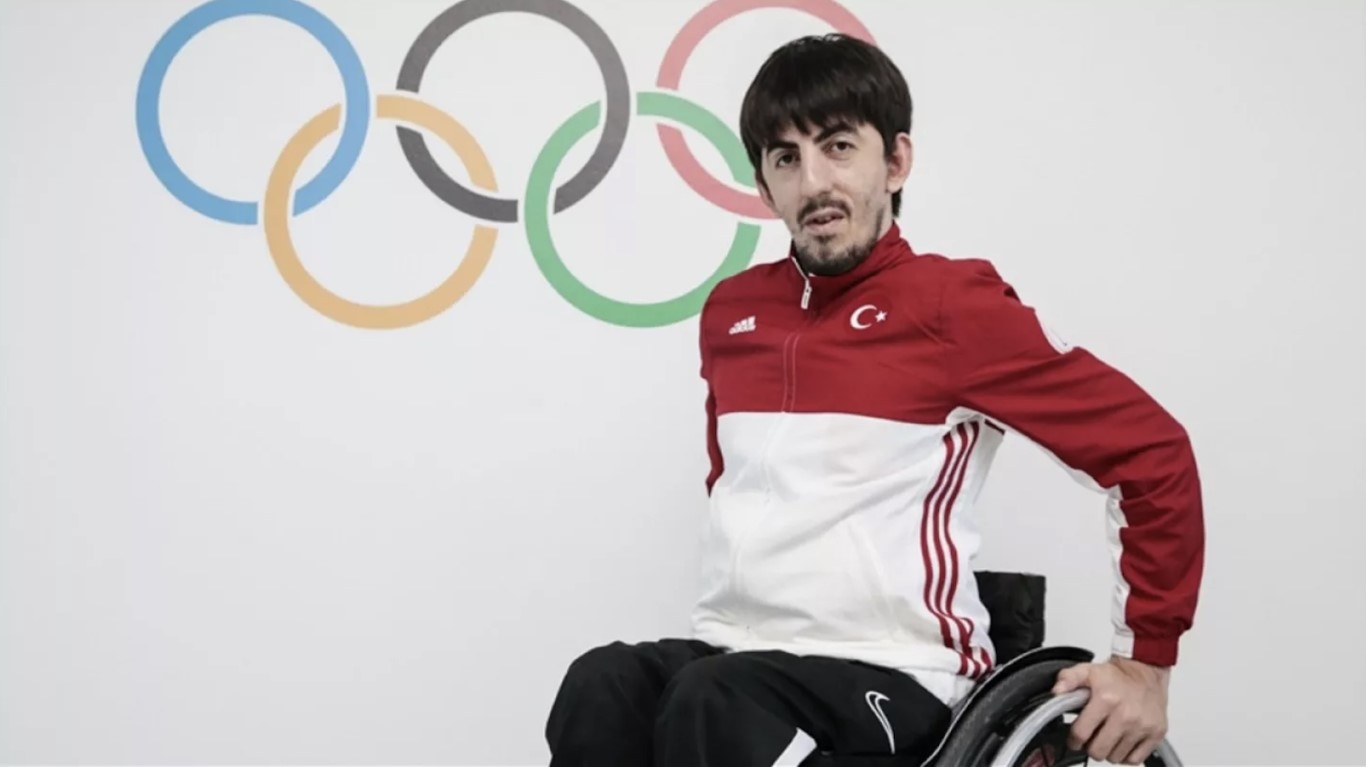
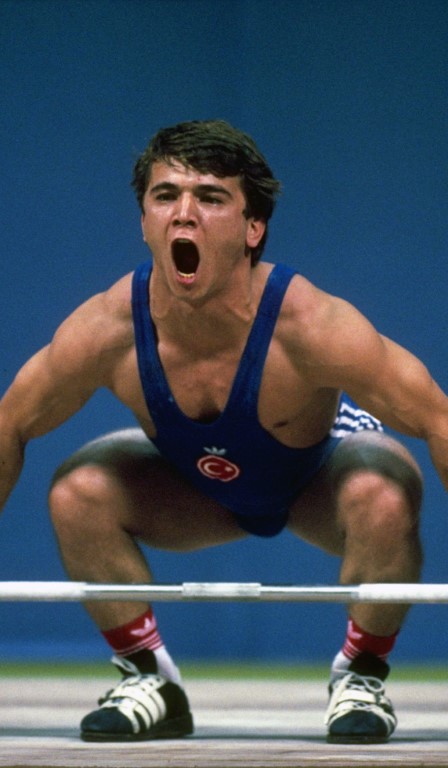
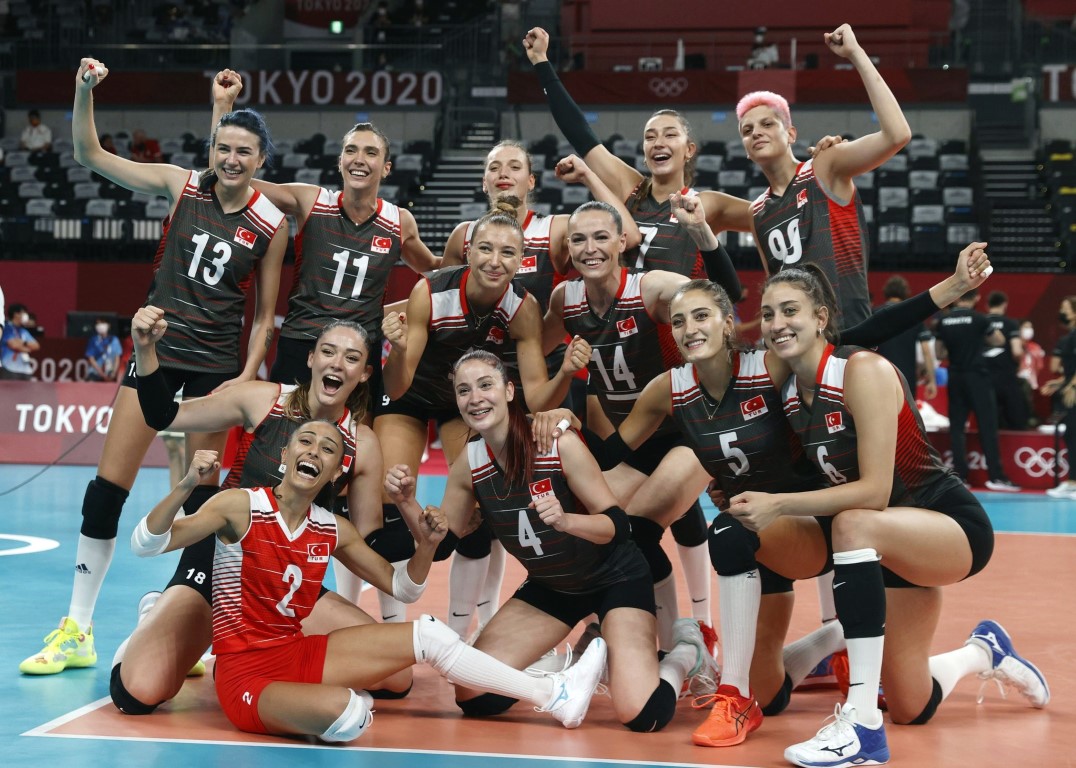
Believing in the incredible power of sports in terms of international recognition as much as art and other branches, Mustafa Kemal applied for the Olympics to be held in Paris in 1924, in 1921, while bombs were falling on the front in the intense moments of the War of Independence. Despite many countries not yet recognizing its birth diplomatically, the Republic of Türkiye was declared in 1923, and this youngest nation participated in the 1924 Paris Olympics with 32 athletes in football, wrestling, athletics, weightlifting, and fencing. Another dream had come true.
Bedri Baykam-İzzeddin Çalışlar, 2024
ATATÜRK’ÜN MUHTEŞEM TABLOSU: KÜLTÜR DEVRİMİNİN BOYUTLARI
“Sanatsız kalmış bir ulusun hayat damarlarından biri kopmuş demektir.”
“Ben sporcunun zeki, çevik ve ahlâklısını severim”
- Mustafa Kemal Atatürk
Türkiye Cumhuriyeti, Gazi Mustafa Kemal’in kültür devrimini merkezine koyduğu bir sanatçı yaklaşımıyla kuruldu. 1934’te halkımızın büyük sevgisi ile Atatürk soyadını alan Mustafa Kemal, en zor savaş günlerinde düşlediği çağdaş ülkenin sadece bağımsızlığını kazanmak değil felsefesini üretmek, yaşam tarzını yapılandırmak, birbirinden farklı sanat dalları için farklı tohumları yeşerterek bir kültür inşa etmek ve evrensel barış içinde modern dünya ile bütünleşmesini sağlamak istedi ve hepsini de yeni Anayasal parlamenter devlet yapısı içinde hayata geçirdi.
Kurtuluş Savaşı’ndan yeni çıkıldığı, mali şartların en yetersiz olduğu yıllarda operanın, tiyatronun, güzel sanatların, sinemanın, edebiyatın gelişmesi için “varını” ve hatta özellikle “yoğunu” ortaya koydu. Böylelikle, Türkiye’de 1923’ten itibaren adım adım kadın ve erkeğin toplumda eşit haklarla var olabildiği, kentlerde ve ilçelerde her çeşit müziğin, sanat eserlerinin, sahne sanatlarının gerek birebir gerek radyo yayınlarıyla halka ulaşabildiği büyük bir kültür devrimi yaşama geçti. Genç Türkiye Cumhuriyeti’nde kadının seçme ve seçilme hakkı, birçok batı ülkesinden daha önce devreye girdi.
Çöken bir imparatorluğun içinden yepyeni, taze ve dinamik, devrimci bir Cumhuriyet olarak doğan Türkiye, kaçınılmaz bir şekilde coğrafi, siyasi, sosyolojik ve sanatsal açılardan, sürekli olarak batının en doğusunda, doğunun da en batısında olarak görüldü, algılandı.
Sporun da sanat ve diğer branşlar kadar uluslararası tanınırlık anlamında gücüne inanan Mutafa Kemal, henüz 1921 yılında, Kurtuluş Savaşı’nın en sıcak anlarında cephede bombalar yağarken, Paris’te 1924’te düzenlenecek Olimpiyatlar için başvuru yaptı. Diplomatik olarak henüz Türkiye’yi tanımayan ülkelerle ilişki kurabilmek için bunun çok önemli olduğunu biliyordu. 1923’te Türkiye Cumhuriyeti’ni ilan etti ve bu en genç ülke tam yüz yıl önce 1924 Paris Yaz Olimpiyatları’na futbol, güreş, atletizm, halter ve eskrim branşlarında 32 oyuncu ile katıldı. Bir rüya daha gerçekleşmişti.
Bedri Baykam-İzzeddin Çalışlar, 2024
LE TABLEAU MAGNIFIQUE D’ATATURK : LES DIMENSIONS DE LA RÉVOLUTION CULTURELLE
« Une nation privée d’art a l’une de ses artères vitales qui lui a été arrachée. »
« J’aime le sportif intelligent, agile et éthique. »
- Mustafa Kemal Atatürk
La République de Turquie a été fondée sur une approche artistique centrée sur la révolution culturelle de Mustafa Kemal, grand héro de la guerre d’indépendance. Mustafa Kemal, qui allait prendre le patronyme d’Atatürk en 1934, était convaincu, dès le début de son combat, et alors que le pays traversait les pires années de la guerre, qu’une Turquie contemporaine ne pouvait se contenter d’une simple indépendance, et qu’il fallait absolument qu’elle soit capable de créer sa philosophie, de structurer son mode de vie, de faire émerger une culture nouvelle en semant les graines nécessaires au développement des différentes branches artistiques, en faisant corps avec le monde moderne dans le cadre d'une paix universelle, le tout mis en œuvre dans la nouvelle structure d’un l’État parlementaire constitutionnel. Ce rêve, il le réalisa…
À une époque où la guerre d'indépendance venait de se terminer et où les conditions financières étaient les plus précaires, Atatürk a tout mis en œuvre, y compris ses maigres ressources, pour développer l'opéra, le théâtre, les beaux-arts, le cinéma et la littérature. Ainsi, à partir de 1923, une grande révolution culturelle a été mise en œuvre en Turquie, permettant aux hommes et aux femmes d'avoir des droits égaux dans la société, et rendant accessible au public, dans les villes et les districts, toutes sortes de musique, œuvres d'art et arts de la scène, tant par des performances directes que par des émissions de radio. Dans la jeune République de Turquie, le droit de vote et d'éligibilité des femmes a été instauré avant de nombreux pays occidentaux.
Née d'un empire en déclin, la Turquie moderne est apparue comme une République nouvelle, fraîche, dynamique et révolutionnaire. Elle a été inévitablement perçue et considérée, tant d'un point de vue géographique, politique, sociologique qu'artistique, comme étant en permanence à l'extrême est de l'ouest et à l'extrême ouest de l'est.
Croyant fermement en la grande puissance du sport, et alors que la guerre d’indépendance vivait ses heures les plus déterminantes pour l’avenir du pays, Mustafa Kemal, en 1921, fit acte de candidature pour la participation de la Turquie aux Jeux Olympiques qui allaient avoir lieu en 1924 à Paris. La République fut proclamée en 1923, et malgré le fait que nombre de pays n’avaient pas encore reconnu officiellement le nouveau pays, une délégation de 32 sportifs se rendit aux Jeux de Paris il y a exactement 100 ans de cela, pour concourir dans des disciplines comme le football, la lutte, l’athlétisme, l’haltérophilie ou encore l'escrime. Un autre rêve venait de se réaliser…
Bedri Baykam-İzzeddin Çalışlar, 2024